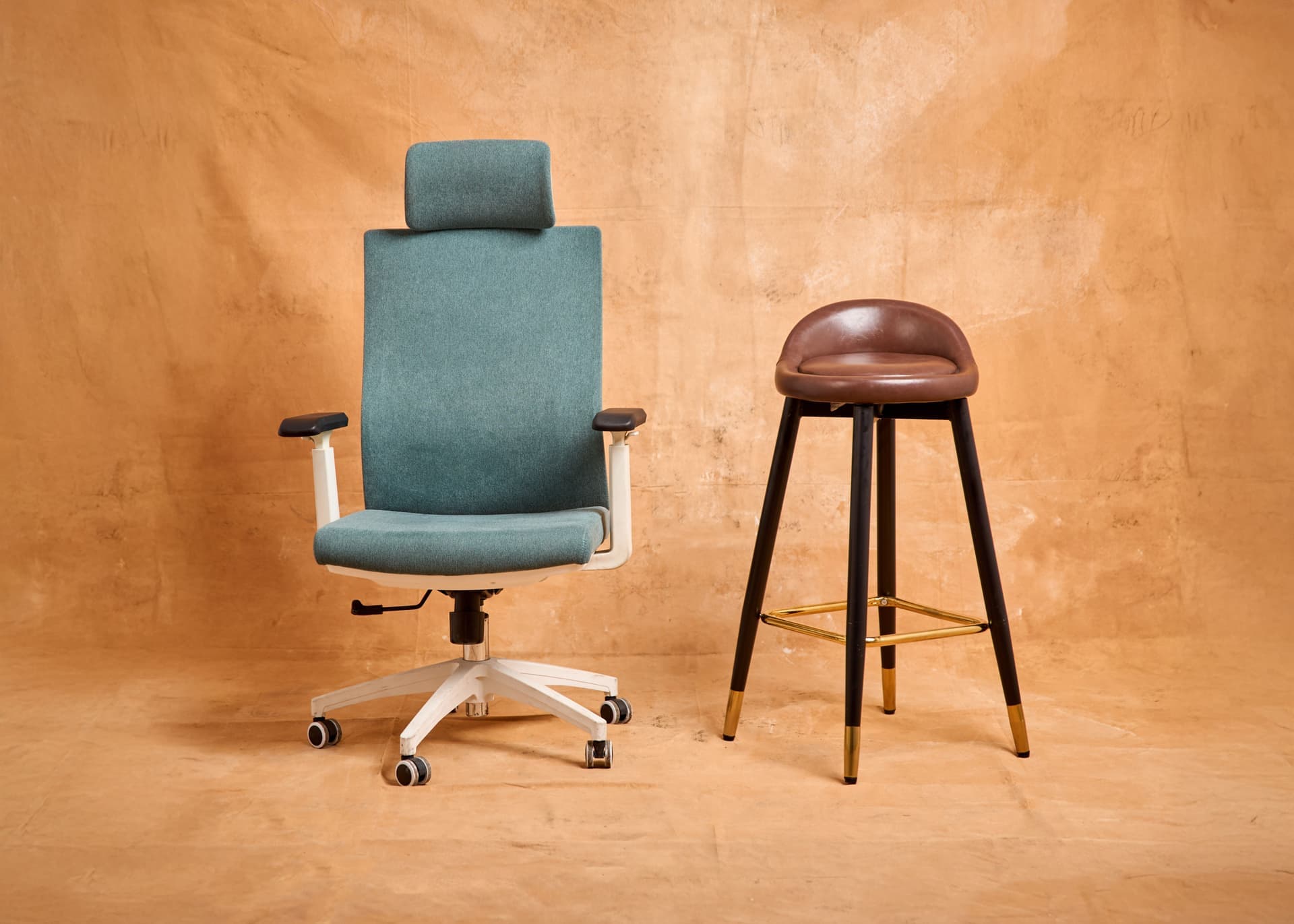
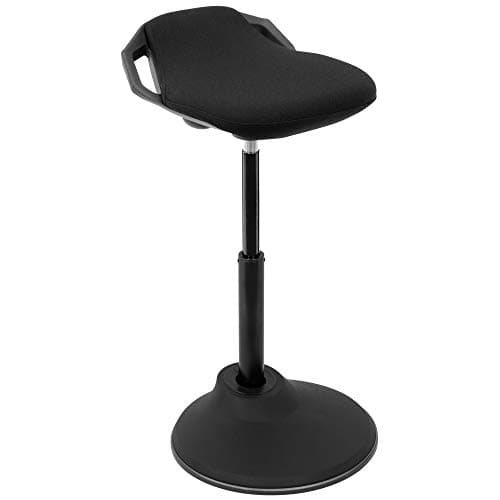
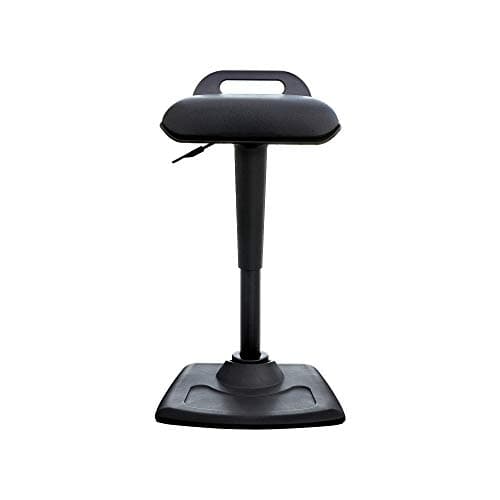
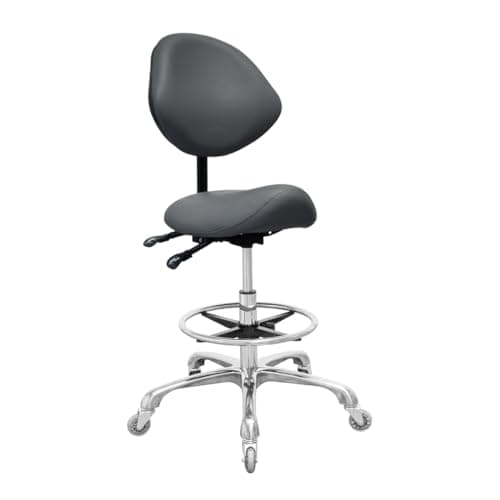
Six shapes, three mechanisms: geometry, instability, and height. Which one you want depends on your desk more than on your preferences.
Maintained by Sawyer V. · Last updated September 30, 2026
We earn a commission if you buy through the links on this page, at no extra cost to you. It does not affect the order of the picks - the rubric does that, and here is how we are funded. Prices were last verified September 30, 2026.
Active seating means any seat that does not hold you in a single settled position. That covers six product types on this site, and they work in three genuinely different ways - which is worth understanding before you compare prices, because the categories are not interchangeable.
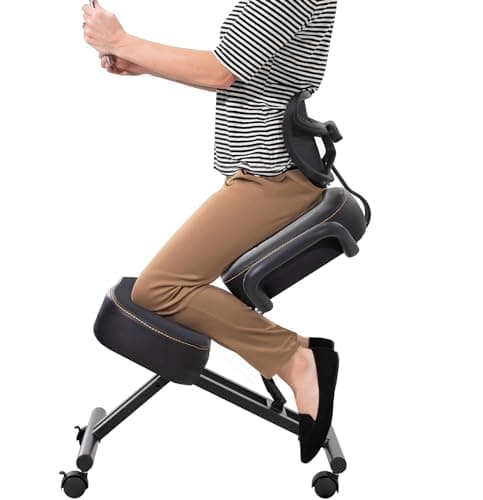
By geometry. A saddle stool and a kneeling chair change the angle between your trunk and your thighs - from a seated 90 degrees to somewhere between 120 and 135. That rotates your pelvis forward, which means your lumbar curve holds itself without anything supporting it. The effect is structural: it happens whether or not you think about it.
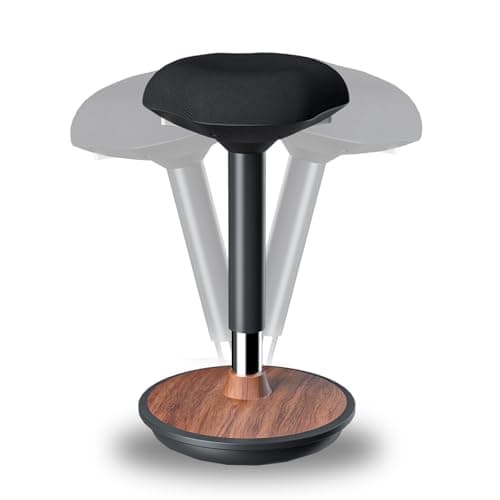
By instability. A wobble stool has a domed or counter-balanced base, so staying level is a continuous small task and you keep shifting. The seat itself is usually an ordinary flat pad - your pelvis does whatever it would do on any flat seat, just more variably.
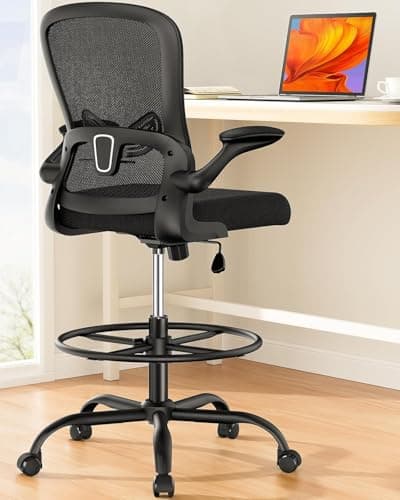
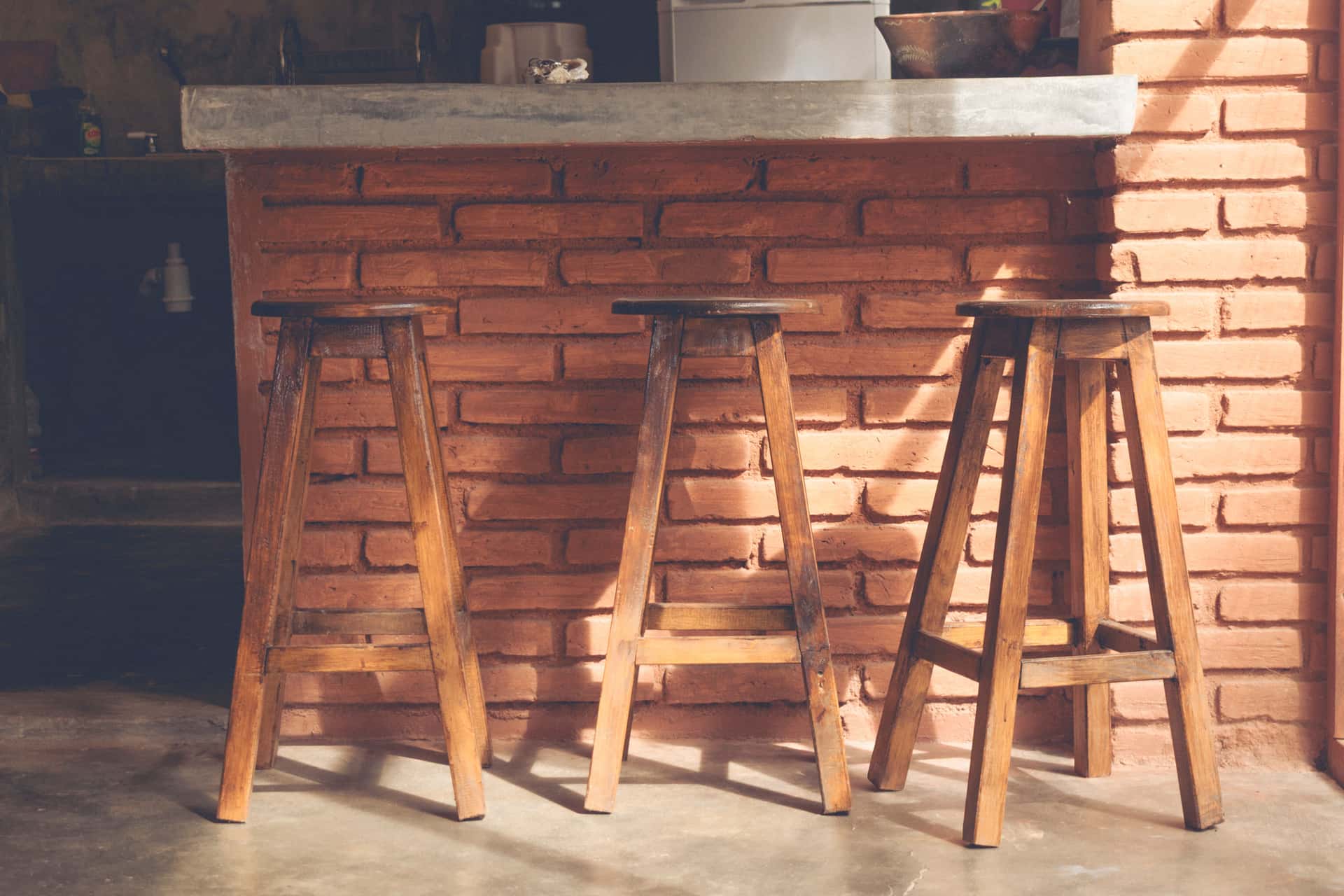
By height. A standing-desk stool, a perch stool and a drafting chair exist to put you at a work surface taller than a desk. Perching opens your hips and keeps part of your weight on your feet - the same benefit as the geometry group, reached by being high up rather than by seat shape.
02
Start with your desk height, not the product
This is the single most useful thing on this page. Most of the seating sold as "standing desk" cannot reach a standing desk, and the published seat-height ceiling tells you in ten seconds.
The arithmetic: your seat needs to sit at your desk height minus your sitting elbow-rest height, which published data puts at 7.5 to 11.4 inches with a median of 9.5. A 42-inch standing desk needs a seat around 31 to 34 inches. Published ceilings across the products on this site run from 24 inches to 34.6 - and every one of them is sold with "standing desk" somewhere in the title.
So: measure your desk, work out your figure, and read the published range rather than the marketing. The full table by desk height is here, and it takes a minute.
03
What decides price in this category
Three things, and only one of them is obvious.
How high it goes. A gas cylinder giving 21 to 31 inches is a cheap, common part. One giving 25 to 35 inches is not. That is most of the difference between a $70 stool and a $200 one, and it is why so many products stop just short of a standing desk: the maker bought the cylinder they already stock and wrote the title anyway.
Whether the base is weighted or castered. Weighted pedestals cost more and are the right answer for perching, because a caster base can roll out from under you when you are only half-seated. Saddle stools mostly use casters - an inheritance from the clinical market they came out of, which is also why saddles have the strongest published weight capacities in this whole category.
Whether anything else adjusts. Backrests and footrest rings are rare outside drafting chairs, and they are what make long sessions sustainable. Across every stool on this site, exactly one publishes both.
04
The mistake buyers make
Forgetting about their feet. Above roughly 26 inches of seat height your feet stop reaching the floor, and at that point every shape in this category has the same problem: your whole weight lands on the front edge of the seat and the underside of your thighs. That is the mechanism behind almost every complaint about tall seating, and it is not a padding problem.
The fix is a footrest ring attached to the seat, so it moves with you. That is the defining feature of a drafting chair, and it is why we treat those as a category rather than as tall task chairs. A separate under-desk footrest does not help: most top out around 6.5 inches, nowhere near the gap at perching height.
The second mistake is buying one seat to replace another. Published ergonomic guidance consistently favors varying posture over perfecting one - which makes active seating a second position rather than a better default. The people who get on with this category own a chair too.
05
Seating by type
Each roundup ranks on the fit dimension that category actually turns on. Top pick and its live price shown on every tile.